Slashing services for rural
properties across the Mid
Coast NSW
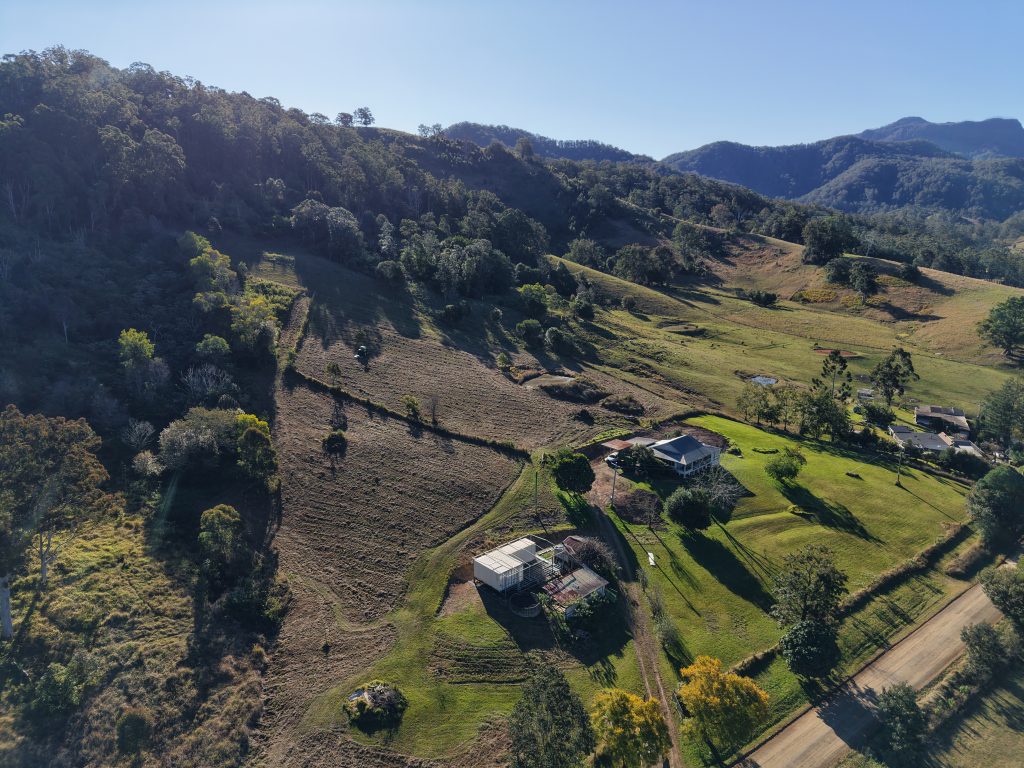
Owner-operated Mid Coast NSW service based in Wingham. Hourly-rate pricing. Ideal when growth is too heavy for standard mowing or the area is too large and rural for a suburban lawn approach.
Grass slashing, paddock slashing and block slashing done properly for acreage blocks
Fast, practical results
Built for acreage work
Neat finished result
General slashing for overgrown land
Our slashing services are suited to paddock slashing, block slashing and broader rural property cleanup where land has become difficult to maintain. If your property is becoming harder to access or manage, slashing is often the smartest first step toward a more usable and manageable maintenance cycle. Many clients use a slashing-and-mowing approach: slash first to regain control, then move to regular mowing where suitable. We usually bring a line trimmer as well to help leave the completed job looking cleaner around boundaries, fence lines and detail areas.
-
Paddocks and grazing areas
-
Vacant blocks and overgrown land
-
Fence lines and access tracks
-
General acreage maintenance
-
Seasonal property cleanups
How the process works
Getting started is simple. Send through a few basic details and we can work out the best approach for your property.
1. Send details
Share your location, approximate size and a few photos if possible.
2. Scope review
We assess access, growth, terrain and the likely scope of work.
3. Book a time
We arrange a suitable time based on weather and property access.
4. Complete the work
Your property is left far more manageable and easier to maintain.
What slashing services are for
Slashing services reduce bulk grass and rough growth on rural properties. The aim is practical land management, better access, easier fence maintenance and a cleaner look across paddocks, blocks, tracks and boundary lines. Slashing is not a precision finish like a groomed ornamental lawn. It is a strong, efficient cut suited to real-world acreage conditions.
Acreage slashing
Acreage slashing is simply slashing applied across larger multi-acre properties where multiple zones may be involved, such as house paddocks, perimeter areas and internal tracks. Jobs are planned to move efficiently while still handling tight spots carefully where access allows.
Paddock slashing
Paddock slashing focuses on larger grassed areas used for stock, agistment or general rural holding. Cutting height work is practical and depends on conditions on the day. If you are managing grazing or property planning decisions, those remain your call. Our role is the mechanical reduction of bulk growth to support what you are trying to do on the ground.
Block slashing
Block slashing is for rural residential blocks, larger lifestyle blocks and semi-cleared land where you want usable space opened up. This is common after wet seasons, when preparing for fencing or when you want to reduce snake habitat and improve visibility across the block.
Grass slashing
Grass slashing suits areas where grass is tall, thick or uneven and where you need the bulk removed to return the space to manageable levels. Typical situations include seasonal growth after rain, unused corners of a block, grassed lanes and open areas around sheds where slashing restores clearance quickly.
Fence line slashing
Fence lines often collect growth faster than open paddocks due to shelter, moisture and less traffic. Slashing along boundaries can reduce load on fences, make faults easier to spot and help keep gates swinging freely.
Overgrown block clean-ups
If a block has been left for an extended period, the job may need to be staged realistically. First pass work reduces the worst bulk, then follow-up maintenance becomes easier for you or for a return visit. Send photos so we can set expectations before booking.
Slashing versus Mowing
Mowing is best for maintained lawn areas where the grass is routinely cut and the surface is relatively even. Slashing is best when height and volume are too much for mowing equipment, or the terrain is rougher and more rural. If you are unsure, send photos of the grass height and the ground surface and we will recommend the right approach.
What affects slashing cost
Hourly-rate pricing reflects the real time a job takes. The main drivers are grass height and density, moisture, slopes and rough ground, trees and obstacles, narrow access, length of fence line work and total area. Large jobs with easy open access can still take time if the growth is heavy.
Need help choosing the right service?
If you are not sure whether your property is better suited to slashing or zero turn mowing, get in touch and we can point you in the right direction.
Frequently Asked Questions
Can you slash wet grass?
Sometimes yes, sometimes no. Heavy wet growth can take longer and may not be suitable immediately after prolonged rain depending on ground damage risk and effectiveness. Photos and recent weather context help.
Do you slash around trees and obstacles?
Where access and safety allow, yes, though obstacle-rich areas take longer and may need a slower approach.
Can slashing help before fencing work?
Often yes, because clearing growth makes it easier to run lines, see posts and work along boundaries.
When should I book slashing for spring on the Mid Coast?
Book as growth lifts after winter — often from early spring — especially if your block gets away quickly after rain. Sending photos early helps us confirm timing before the calendar fills.
How often should acreage be slashed in spring and summer?
It depends on rainfall, grass type and how you use the land. Many Mid Coast properties need more frequent cuts through spring and early summer, then ease off as growth slows. Photos and recent weather context help us advise.
Should I slash before fire season?
Keeping grass lower around homes, sheds, fence lines and access tracks is a practical step before hotter, drier months. Pair spring tidy-ups with your own property fire plan.
Is Atkinson Slashing fully insured?
Yes. Atkinson Slashing is a fully insured, owner-operated Mid Coast service. Send photos for availability and an hourly-rate estimate.